The visibility jobs are different
Channel letters work best when the storefront or building elevation is visible from the customer’s decision point. They connect the business name directly to the entrance and can be sized for parking-lot or roadway viewing. A pylon sign stands closer to the street and above many foreground obstructions. It can alert drivers before they reach a driveway, which matters on faster corridors or properties set back behind parking. One is not a universal upgrade over the other. They solve different moments in the customer’s approach.
When channel letters are the stronger choice
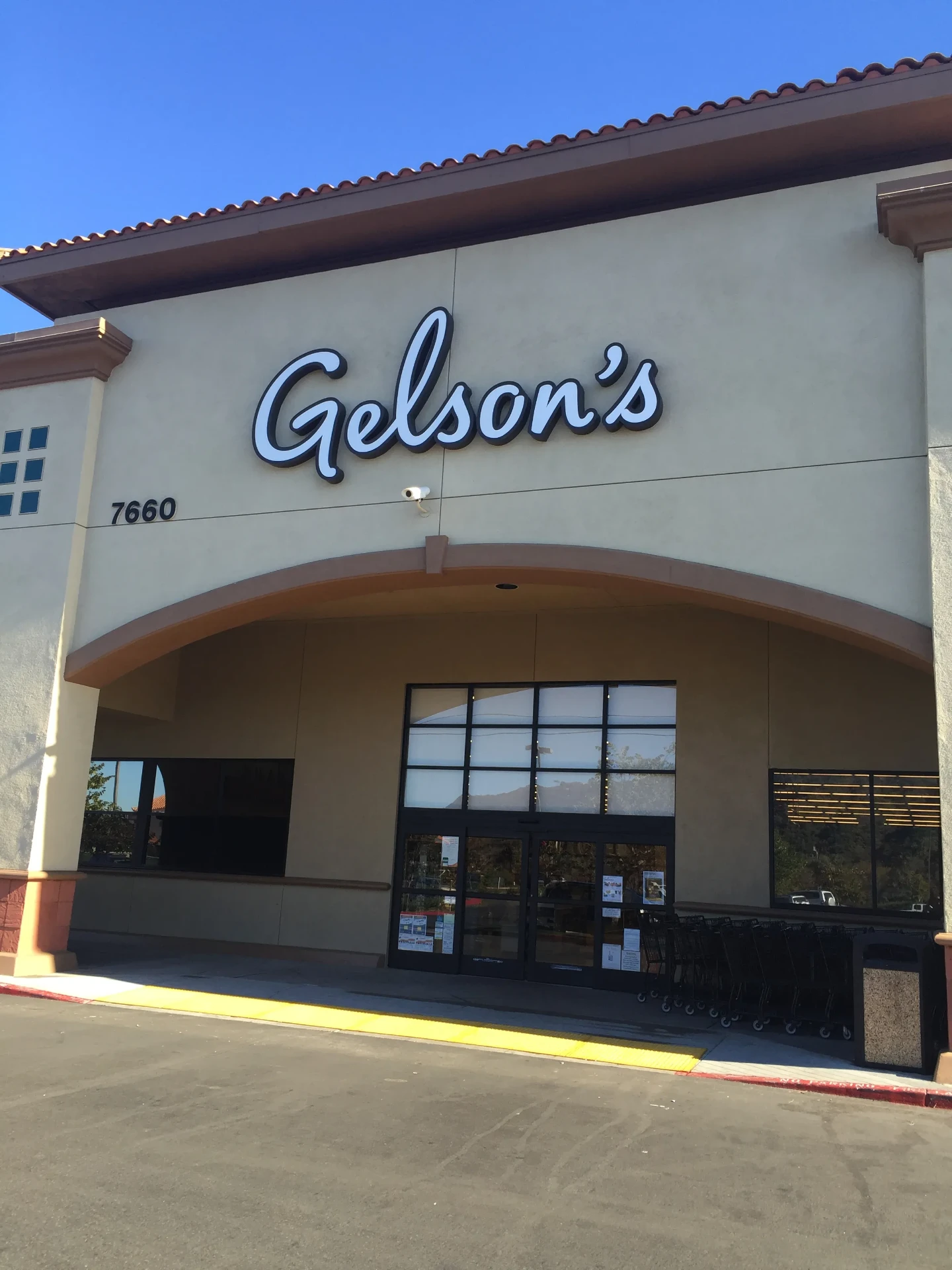
Choose channel letters when the facade has a clear sign band, the building faces the main traffic flow, and customers need to connect the brand with a specific suite or entrance. Individually mounted letters can look integrated with the architecture. Raceway-mounted letters may reduce wall penetrations and simplify service where landlord criteria allow them. Front-lit letters prioritize direct readability. Reverse halo-lit letters create a more architectural effect, but the wall surface and nighttime contrast need careful review. Letter height, stroke width, spacing, logo proportions, and illumination all affect legibility.
When a pylon or monument sign does more
A freestanding sign becomes important when the building is hidden by trees, parked vehicles, another structure, or a deep setback. It also helps a center with several tenants share one roadside identifier. A tall pylon can be useful along a broad commercial corridor, while a lower monument sign may fit a campus, medical property, or coordinated retail center. Existing tenant panels can sometimes be refaced instead of rebuilding the structure. The cabinet condition, available panel area, landscaping, and sight triangle should be checked before relying on that option.
Torrance property conditions matter
Torrance includes industrial campuses, neighborhood centers, Del Amo-area retail, automotive properties, medical offices, and mixed commercial corridors. A warehouse near an industrial route has different viewing distances than a storefront approached at parking-lot speed. Carson Street, Hawthorne Boulevard, Pacific Coast Highway, and the I-405 area also create different traffic patterns. A field survey should document the normal direction of arrival, road speed, turning points, competing signs, night conditions, and where a driver can safely read the message.
Code, landlord, and lease limits
The city’s sign rules control dimensions, placement, sign area, and other conditions. Torrance requires planning clearance before building permit submittal for work that needs review. A landlord’s sign criteria can be more restrictive than the city code. The lease may assign a tenant a facade sign but no pylon panel, or it may reserve panel positions by suite size. Get written landlord approval before production. If the property already has a sign program, the new design should be checked against its allowed materials, colors, lighting, and mounting methods.
Compare visibility with a site test
Do not decide from a logo mockup alone. Photograph the property from realistic approach distances and mark the points where a driver first sees the parcel, recognizes the business, and turns into the entrance. Place scaled sign concepts into those views. For channel letters, test daytime contrast and nighttime brightness. For a pylon panel, simplify the message so the business name remains readable at speed. A phone number, service list, and small tagline often reduce useful letter height. The sign’s main task is identification, not carrying every marketing message.
Many properties benefit from both
A roadside pylon can announce the destination, while channel letters confirm the exact storefront. That combination is especially useful in multi-tenant centers or on properties with more than one driveway. If budget requires phasing, prioritize the sign that fixes the biggest wayfinding failure. A survey may show that an existing pylon only needs a new face and LED service, leaving more budget for building letters. It may also show that landscaping blocks the freestanding sign, making facade identification the better first investment.
What to bring to a visibility consultation
Bring the property address, lease sign criteria, a vector logo, the suite location, expected customer approach routes, and any known monument or pylon panel rights. If possible, collect daytime and nighttime photographs from both traffic directions instead of relying on a close storefront photo. Note trees, parked vehicles, neighboring signs, turn lanes, and driveway locations. The contractor can then compare realistic letter heights, panel proportions, illumination, and placement against the viewing conditions. Ask to see concepts placed into site photographs and to review how much of the message remains readable at the first safe decision point. This process turns the choice into a property decision rather than a preference between two sign styles. It also reveals whether a phased combination, such as a new pylon panel followed by channel letters, offers better value than concentrating the entire budget on one sign.